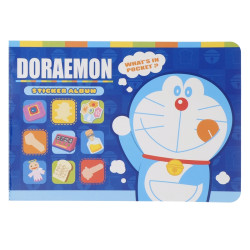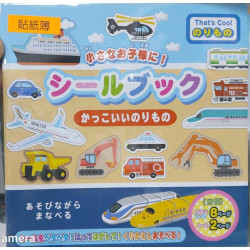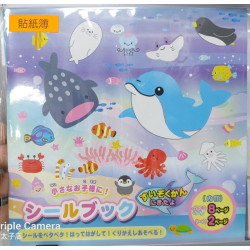

Reward stickers are a commonly used method of reward in school education and are usually used among elementary school students and kindergarten students. Reward stickers are easy to use, affordable, and intuitive, so they are widely used in education. However, whether reward stickers can really improve students' academic achievement has always been a concern in the education community.


Research shows that reward stickers do have an impact on students' academic achievement. For example, one study found that using reward stickers in reading learning among kindergarten students significantly improved students' reading and reading comprehension skills. In addition, some other studies have also found that reward stickers can stimulate students' motivation to learn, improve students' motivation to learn and self-efficacy.


However, reward stickers also have certain limitations and disadvantages. First, excessive use of reward stickers may cause students to become too dependent on rewards and ignore the meaning and value of learning itself. Second, the effectiveness of reward stickers may decrease over time, and the degree and type of rewards need to be continuously increased to maintain their motivational effect. Finally, the use of reward stickers may also have a negative impact on students' intrinsic motivation, negatively affecting students' interest in learning and self-directed learning ability.


To maximize the effectiveness of reward stickers, we can do the following:


1. Establish the right concept of learning. Students should understand the value and significance of learning itself, and realize that reward stickers are only an auxiliary means and cannot replace the importance of learning itself.


 2. Use reward stickers in moderation. We should avoid the excessive use of reward stickers while ensuring students' motivation to learn, so as not to negatively affect students' learning.


3. Set clear reward criteria. We should set clear reward criteria so that students know what kind of learning behaviors will receive reward stickers to stimulate their motivation to learn.


4. Reward sticker variety and variety. The types of reward stickers should be diversified to meet the needs and interests of different students. For example, combining reward stickers with students' interest can better stimulate students' enthusiasm for learning and improve students' academic achievement.


5. Combine with other incentives. Reward stickers can be combined with other incentives, such as classroom recognition, verbal praise, extracurricular activities, etc., to increase students' motivation and motivation to learn.


In conclusion, reward stickers have a certain impact on students' academic achievement, but there are also some limitations and disadvantages. In order to maximize the effectiveness of reward stickers, we need to use them in moderation, establish the right concept of learning, set clear reward standards, diversify the types of reward stickers, and combine other incentives. In this way, we can effectively improve students' learning achievement and promote their all-round development.


Chi SHing Group

https://csstationery.com

https://stickerhk.com

https://cskites.com

https://cspacket.com

https://chishingcal.com.hk